Interview help

Interviews can be a stressful and unnerving experience for most people.

We want to help make the process as painless as possible, so we’ve come up with some helpful hints and tips to remember.

Are you right for the job?

Before writing your application form you should look carefully at both the job outline and the employee specification to determine:

  • What qualifications are essential for the role (if any)
  • What specific skills and knowledge are required to do the job
  • What qualifications, skills and knowledge you have which are relevant
  • Do you meet all the essential criteria? Read about the importance of this below.
Meeting the 'essential criteria'

Your application form needs to demonstrate how you meet ALL of the ‘essential criteria’ from the ‘employee specification’ section of the job listing.

This essential criteria acts as a checklist that the recruiting manager uses to determine if you can be shortlisted for an interview. You must therefore provide working examples for each essential criteria if you want to be invited for an interview.

For example, imagine one of the essential criteria is ‘Experience of delivering training’. Instead of just writing:

'I have experience in providing training to new team members.'

you could make this better by writing:

'I have actively been involved in training new team members, including the creation of a training guide which is used to assist with practical training. This guide is now regularly referred to by all staff, encouraging and promoting skill and knowledge retention.'

Education and qualifications

Contrary to popular belief, you don’t have to list every educational achievement and qualification you have obtained dating back to the beginning of your education. You should however, list all of your education and qualifications that are relevant to the specific vacancy for which you are applying, ensuring you detail any qualifications requested in the essential criteria.

Employment History

Employment history often plays an important part in your application form, especially where the vacancy you are applying for asks for previous experience. It can be a gruelling task to list every job you’ve held over the years and trying to remember every task you were responsible for can be difficult. We’ve put together a few helpful tips to try and make the task easier:

  • List your employment history in reverse chronological order (most recent first and work backwards).
  • If you can’t remember the specific date of your previous employment, just giving the month and year is fine.
  • Any gaps in employment should be fully explained. If you had a gap year, make sure to give the details such as where you went, what you did, who organised it, who funded it and what skills you think you learned as a result of the experience.
  • Try to think about how your gap year, or career break, made you more employable in relation to the job you are applying for.
  • When listing what your job responsibilities were in your previous employment, rather than try to list every duty you had, just emphasise a few key and transferable skills that are most relevant for the job you are applying for.
  • If your employment history is limited, include details of any part-time, temporary, voluntary or work experience you’ve had; especially anything relevant to the job you’re applying for.
References

All new starters to the council are required to have two satisfactory references, one of which should be from your current or most recent employer. To avoid delays later down the line if you are successful, please ensure that you provide accurate referee information in your application form. This should include their:

  • Full name
  • Preferred email address
  • Full postal address, including postcode

Always ensure that you have informed the people you choose as referees to avoid any issues. Although we won’t request your references at the application stage, if you are successful at interview, references will be sought as soon as possible.

Supporting statement - skills, knowledge and experience

When you’re very enthusiastic about applying for a job, it can be easy to get carried away writing a lengthy supporting statement. But it’s important to remember that when shortlisting, managers are only looking for people who can demonstrate the relevant and essential skills needed for the specific job.

So, whilst you may think it a positive thing to write five pages about your wide range of skills and experience, it isn’t an effective use of your time and will not guarantee you an interview.

Here are some hints and tips to help you write the best supporting statement you can:

  • Your supporting statement is the opportunity to sell yourself, so make sure to mention your achievements, knowledge and strengths.
  • Keep the information concise and well structured. Anything you write about needs to be relevant to the job you are applying for so keep it to the point.
  • Give key examples from your previous and current job roles that clearly demonstrate how you meet the criteria for the job.
  • Explain why you want to be considered for the job. This won’t have any bearing on whether or not you are shortlisted but it will demonstrate your passion and enthusiasm for the role.
  • Explain what you could bring to the role if you were appointed.

Your writing style can help to make your application stand out and demonstrate confidence:

  • The use of positive words and power verbs (in moderation), such as ‘effective, motivated, delivered, achieved, transformed, determined etc.’ will help to improve its quality.
  • Explain your relevant skills, knowledge and experience with concise paragraphs and avoid waffle or vague statements.
  • If it helps, use bullet points and sub-headings to make your statement easier to read.

This goes without saying but always check your application form before submitting it - especially your spelling and grammar.

If it helps, ask someone else to check it for you, sometimes they can pick up on things you don’t see.

Application FAQs

We’ve listed some of the more common questions we get asked about job vacancies. If we haven’t answered your question, please .

I have seen a job I am interested in can you give me more information about the position?

The quickest and best way to get more information about a job is to contact the manager whose details should be stated on the advert.

If there isn’t a name and contact details, please get in touch, and we will find somebody to contact you.

I am looking for a specific job relating to my own skills and experience, can you advise me if there are any vacancies available that you think would be suitable for me?

At this time we do not offer a job/skills matching service and would advise that you use the search facility on the jobs page to look for specific job types. You can search for specific jobs via category or by keywords.

You may also find it useful looking at our careers page, which shows the types of careers available at the council. Please note though that these aren’t current vacancies, and are only to illustrate the varying careers we have at the council.

I’ve been told that a specific job vacancy is coming up but I can’t see it on your website. Do you know when it will be advertised?

Unfortunately, we’re unable to provide any details of jobs which aren’t yet advertised. In this instance we would advise that you regularly check the jobs page to make sure you see the job as soon as it is advertised.

I’ve forgotten my username. What should I do?

Your username is normally your email address. If this doesn’t work, please and we can help you.

I’ve forgotten my password. What should I do?

Use the ‘forgotten password’ link on the login screen. You should receive an email within 15 minutes containing a reset link. Please do not press the ‘forgotten password’ button multiple times - this will not speed up the delivery of the email.

If you don’t receive it within 15 minutes, please try the link again.

If it still doesn't come, please .

It is the weekend, I am having issues logging in to the job’s website and a vacancy I’m interested in closes on Sunday evening. I am unable to complete my application on time, what can I do?

Closing dates are generally not changeable unless in exceptional circumstances. If you’re unable to access your account to complete and submit your application, please straight away on Monday morning. We may be able to contact the recruiting manager to see if they will accept a late application due to the circumstances.

I’m already an employee of the council and completing an online application but I can’t see the ‘previous employment’ or ‘qualifications’ section. Is something wrong with the form?

If you’ve noticed there isn’t a ‘previous employment’ or ‘qualifications’ section on the application form this means you are logged in using your council ESS (iTrent) login details. Logging in with these details, rather than with an account you’ve set up at home with a non-eastriding email address, means you won’t have to complete a separate employment or qualifications section on the form. However, you should ensure that any qualifications and experience you have that is relevant to the job you are applying for, is stated in your supporting statement, otherwise the vacancy manager will not be made aware of them.


Ready to apply?

A couple of things to note before you fill in your online application:

  • Adverts close at midnight on the closing date.
  • Data such as personal information and employment history will save when you submit an application form and then pre-fill into the next application form you complete.
  • Free text fields such as ‘skills, knowledge and experience’ page will not be saved and you must re-enter these with each application.
  • Symbols and special characters, such as è or &, must not be used as unfortunately, these can corrupt the data in your application form.
  • You must complete all mandatory fields marked with *.
  • If you are likely to complete several application forms for different vacancies, it can save time to prepare your supporting statement in a Word or notepad document. You can then copy and paste the relevant information into the application form when you are ready.
  • Before you begin, it will save you some time if you have the following information to hand:
    • Your National Insurance number
    • Details of your employment history
    • Your qualifications
    • Referee contact details

Teaching Assistants

Are you caring and passionate about making a difference? With career development opportunities in an outstanding place of work, could we be the next step in your career?

View vacancies

Make a difference in education

Why Become a Teaching Assistant

Choosing to become a teaching assistant is a rewarding journey where you can make a real difference in students’ lives. You’ll be at the heart of their educational experience, providing essential support and encouragement. Each day is unique, with opportunities to engage with students from various backgrounds and help them navigate their learning paths.

Becoming a teaching assistant not only allows you to develop key skills like communication and organisation and offers a balanced lifestyle with school-aligned hours and generous holidays. For those who are passionate about education and eager to contribute to a positive learning environment, being a teaching assistant is a fulfilling and impactful career choice.

A day in the life of a Teaching Assistant

A Teaching Assistant (TA) plays a vital role in supporting teachers and enhancing the educational experience for students.

Morning Preparation

Start the day by preparing resources and setting up the classroom to create a conducive learning environment. This ensures that everything is ready for the children when they arrive.

Individual Support

Work one-on-one with children with additional needs, providing tailored support to help them achieve their best educational outcomes.

Classroom Engagement

Engage with the entire class on key subjects, which may be dependent on the key stage of the pupils e.g. Primary or Secondary. Such subjects could include phonics, literacy, numeracy, and reading, ensuring all students are actively participating and learning.

Leadership Role

Take the lead in the classroom when the teacher is not present, ensuring continuity in the learning process and maintaining order.

Key Worker Responsibilities

In the Early Years Foundation Stage (EYFS), act as the key worker for a small group of children, monitoring their progress and updating key stakeholders about their performance and attainment.

Collaborative Efforts

Collaborate closely with the class teacher, Special Educational Needs and Disabilities Coordinator (SENDCO), and outside agencies to provide the best possible support for children with additional needs.

Class-Specific Support

General teaching assistants may be assigned to a specific class, supporting small groups of children to enhance their learning experience.

What is a Teaching Assistant

A Teaching Assistant (TA) plays a vital role in supporting teachers and enhancing the educational experience for students. Key responsibilities include:

  • Supporting Students: Assisting in delivering lessons, working with small groups, or providing one-on-one help to students who need extra support.
  • Classroom Management: Helping manage student behavior and maintaining a productive and respectful learning environment.
  • Administrative Tasks: Handling tasks such as grading papers, setting up equipment, preparing materials, and organising classroom supplies.
  • Supervision: Supervising students during lunch, or field trips to ensure their safety and well-being.
  • Special Education Support: Providing tailored assistance to students with special educational needs, as outlined in their Individual Education Plans (IEPs).
  • Communication: Serving as a bridge between teachers and parents, aiding in the communication of student progress and any concerns.

Teaching Assistants are essential in making classrooms run smoothly and ensuring that students receive the support they need to succeed.

Job Details

Salary Ranges


  • £24,790 - £29,572 per year (Grade 3a: 12.85 p/h - Grade 5b: £15.33 p/h) term time pro rata

Hours - Term Time only


  • Full Time (37 per week)
  • Part-time

Job Term


  • Permanent
  • Fixed term
  • Casual

Location


  • Based across the East Riding

EastRiding

Begin your role as a Teaching Assistant

How to become a Teaching Assistant

To become a Teaching Assistant (TA), you need at least a Level 2 or 3 Certificate in Supporting Teaching and Learning in Schools (or equivalent) and a good understanding and knowledge of child protection and safeguarding guidelines and procedures.

Gaining experience through volunteering or working in educational settings is also beneficial.

Please ensure you meet all essential criteria on the person specification forms before applying:

Supply Service

The Supply Service provides supply workers for various roles within school and education settings, offering a flexible solution for schools and internal services by arranging casual workers on an as-needed basis.

Our Teaching Assistants (TAs) possess at least Level 2 qualifications in English and Maths, along with relevant experience and qualifications in supporting students in the classroom. This service ensures that schools have access to qualified temporary TAs whenever needed.

Check out the Registration process for prospective supply workers: East Riding Supply Service

Apprenticeships

Starting as an apprentice Teaching Assistant allows you to dive into classroom life immediately. You’ll support students in their learning journey while developing your own educational skills.

Your support will be crucial in boosting their confidence and wellbeing, and you'll get to see the positive impact of your efforts firsthand. This could be the start of a deeply fulfilling and impactful career in teaching!

Qualification Levels:

  • Level 3 Teaching Assistant: Equivalent to two A levels, offering more specialised Knowledge.
  • Level 5 Specialist Teaching Assistant: Equivalent to HNC/HND/Foundation degree and higher, focusing on advanced professional skills.

View apprenticeships

If you’re interested in making a difference, consider volunteering with local organisations. Schools often have various programs and initiatives that welcome volunteers. To get started, please visit our website, where you can find information about schools in the area.

Find your nearest school

Benefits at a glance

  • Extremely Rewarding: Help young people thrive academically and socially.
  • You make a real difference: Benefit pupils, the school and the community.
  • Develop useful skills: Improve communication, leadership and organisatiton.
  • No two days are the same: Enjoy varied and dynamic daily tasks.
  • It fits around family life: Convenient working hours that align with school schedules.
  • It's fun: Participate in creative and engaging activites.

View all benefits

Our Schools

Make a Difference as a Teaching Assistant in East Riding of Yorkshire

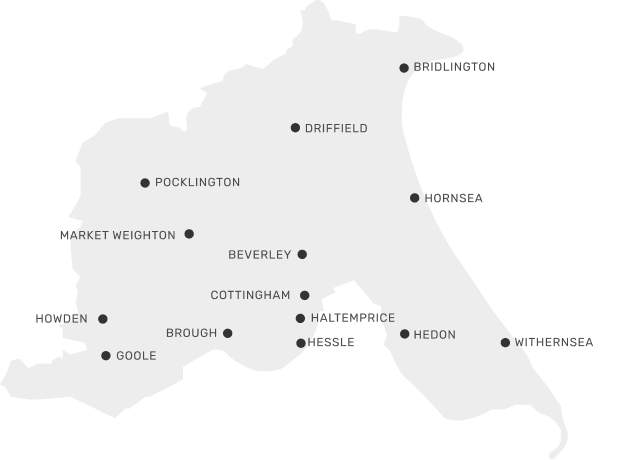
East Riding has 124 Primary Schools (including Infant/Junior and one 'all through' school) and 18 Secondary Schools across 900 square miles. There are opportunities all over our area.

Our team:

  • We employ over 1,450 Teaching Assistants in our ERYC schools
  • 34 apprentices have completed their Teaching Assistant apprenticeships in our schools since September 2019.
  • 14 staff in schools have completed the Teaching Assistant apprenticeship as part of their continuous professional development since 2019.
  • There are currently 21 apprentices in schools undertaking the Teaching Assistant apprenticeship.

Why join?

  • Real Impact - support our future generations to succeed
  • Rewarding - Feel like you are making a difference everyday
  • Supportive employer - vast training opportunities

Make a Difference as a Teaching Assistant in East Riding’s Special Education

East Riding is home to three state-funded special schools and 20 Enhanced Resource Provisions (ERPs) within mainstream settings supporting children and young people aged 2–19 with a wide range of special educational needs.

Where You Could Work:

  • Kings Mill, Driffield – Specialist support for HI, VI, SpLD and complex needs.
  • Riverside, Goole – A nurturing environment for learners with SLD and PMLD.
  • St Anne’s, Hessle – Multidisciplinary support for pupils with sensory and learning needs.
  • ERPs across 12 primary and 8 secondary schools – Small-group teaching for pupils with EHCPs, especially in Communication and Interaction and SEMH.

Why Join?

  • Diverse Experience: Work across specialist and inclusive settings.
  • Professional Growth: Training in SCERTS, ELKLAN, nurture, and more.
  • Real Impact: Help pupils build confidence, independence, and life skills.
  • Supportive Teams: Collaborate with SENCOs, therapists, and families.

Already a TA? Consider stepping into a specialist role—where your skills can shine and your impact grows.

Meet some of our team...

Teaching Assistants (TAs) support children in classrooms across all East Riding schools, helping them to thrive.

Councillor Victoria Aitken, cabinet member for children, families and education said: “Teaching Assistants do great work and make a real impact on the school experience for many children. They build strong relationships with pupils and provide essential support to teachers. I’d like to thank our Teaching Assistants for all they do to help every child learn, grow and thrive and the positive impact they make on the educational journey of children in the East Riding.”

If you are interested in becoming a Teaching Assistant, there are a variety of roles across primary, secondary and SEND settings across the East Riding. If you are experienced or just starting out, there’s a place for you to make a difference.

Di Brown,

Swinemoor Primary School

Di currently supports children in the early years classroom. She has worked across different classrooms and year groups but particularly enjoys working in early years. She continued: “Supporting children in any way they need is very rewarding and it’s great to see them coming on in leaps and bounds. As a Teaching Assistant everything fits around the children and their needs.”

Sandie Muir,

Hornsea School and Language College

“Volunteering gave me the experience and the confidence to know that I wanted to, and could, work in a school as a TA. We are a well-respected part of the school community, and I am blessed to be able to see the growth of pupils in their confidence and in their abilities. Success comes with confidence and when pupils believe they can do something that makes all the difference. The little things are important too – saying hello and how are you and ensuring children are seen and heard. TAs come with a band of knowledge and I believe they are a secret army helping so many to achieve.”

Vacancies

All of our current vacancies are listed below.

At East Riding of Yorkshire Council we value everyone, find out what we are doing for Equality, Diversity and Inclusion.

Discover why the council is a great place to work